
The Time Traveler and the Elusive Model: The Story of the Faceless Void
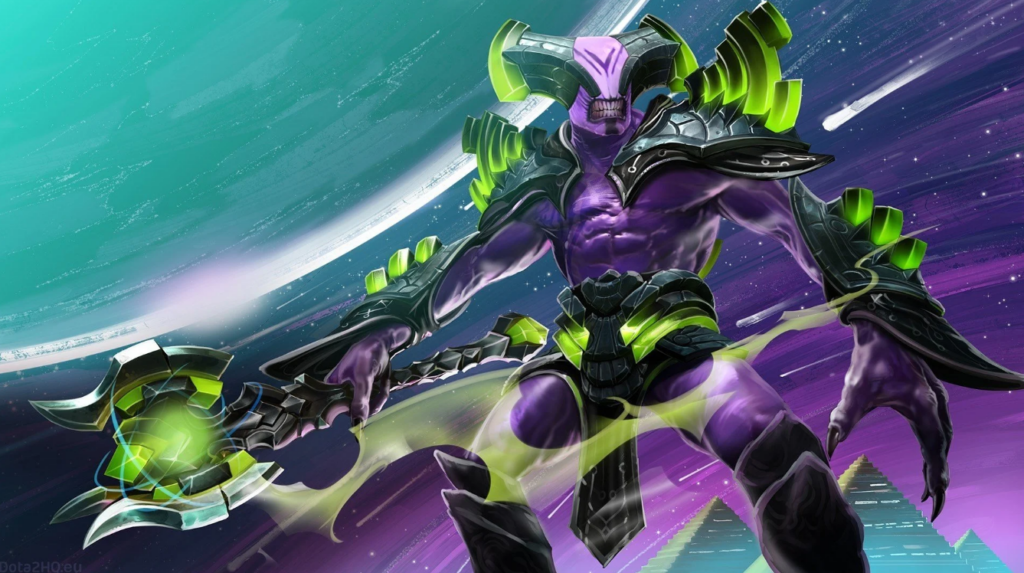
The “History of Dota 2 Heroes” explores the captivating journey of a particular character in the game. From their dramatic entrance to highlights at the biggest tournaments, we delve into the hero’s profound impact on the meta, the pro players who have mastered their skills, and the official cosmetics that have brought them to life.
Darkterror hails from the parallel world of Claszurem, which exists outside the constraints of time. In the realm of the Protection of the Ancients, Faceless Void has been entrusted with a critical task – one that, if failed, would have dire consequences for his home dimension. Yet, it seems Darkterror was given an insurmountable challenge, as the other inhabitants of Claszurem appear relieved to be rid of him, with little expectation of his return. The hero’s initiation rite, during which Faceless Void most likely lost his eyes, raises even more questions. Why was this powerful being deceived from his own world? How did Darkterror, with his ability to see the future and manipulate time, end up stripped of his vision? The answers to these mysteries are yet to be uncovered, for the story of Faceless Void is clearly far from complete.
Where it all began
Faceless Void has been part of the Dota roster since the very first release, version 0.60. Interestingly, only one of his original abilities, Bash (now known as Time Lock), has stood the test of time. Excluding the two major reworks of his Time Walk ability, let’s take a look at Faceless Void’s old skillset:
- Carrion Swarm – This ability is now wielded by Death Prophet, known as Crypt Swarm.
- Backtrack – A passive that allowed the hero to dodge any incoming damage.
- Evasion – A regular passive that helped the hero evade attacks.
- Temporal Drag – A game-changing ultimate that slowed enemies across the entire map.
- Stop Time – Faceless Void’s very first ultimate, which stunned foes in a large radius, even affecting buildings in some versions.
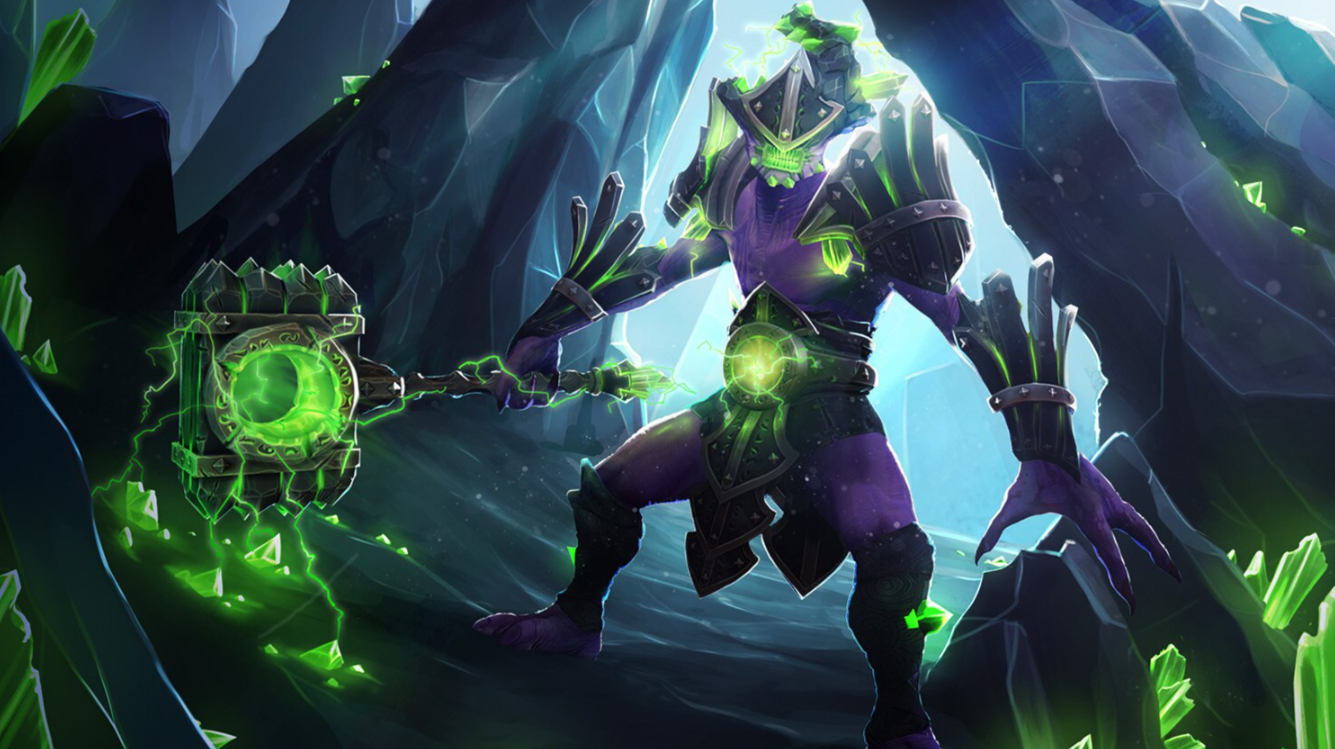
In the original DotA Allstars, Faceless Void was modeled after the Faceless One Trickster neutral unit from the Warcraft III campaign. Interestingly, this version had eyes and tentacles on its face, which the creators of The Tentacular Timelord Set managed to retain in Dota 2.
In 2014, Faceless Void won a community vote to receive a model rework as part of The International that year. However, this came with a twist – the developers admitted they had no idea what the hero should look like after the rework and asked the community for help with the concept. Ultimately, even with outside input, Valve decided to keep Faceless Void’s model largely the same, with only minor changes like a new tattoo and more embossed torso.
Key changes
Faceless Void’s journey has seen many changes over the years, reflecting the evolution of Dota as a whole. From the introduction of Ultimate upgrade levels to the addition of the 4th level of regular abilities, the game has undergone significant balance adjustments. While it’s challenging to fully assess the impact of these changes in the context of an entirely different era of Dota, let’s focus on the more recent versions. In patch 5.40, Aghanim’s Scepter was introduced, increasing the duration of Faceless Void’s ultimate, Stop Time. However, this upgrade was removed just 10 patches later in 5.50. Patch 5.76 then prohibited Faceless Void from purchasing the Refresher Orb, while 5.78 reduced the cooldown of Stop Time.
The transition to version 6.00 brought some notable changes – Faceless Void was once again allowed to buy Refresher Orb, the duration of Stop Time was standardized, and the ability now affected buildings. But this was short-lived, as 6.06 stripped away the global effect and building interaction. The ultimate was then replaced entirely with Temporal Drag in 6.07, only to be reintroduced in 6.08. Faceless Void’s most significant rework came in 6.10, where three of his abilities were completely replaced, and Bash was renamed to Time Lock.
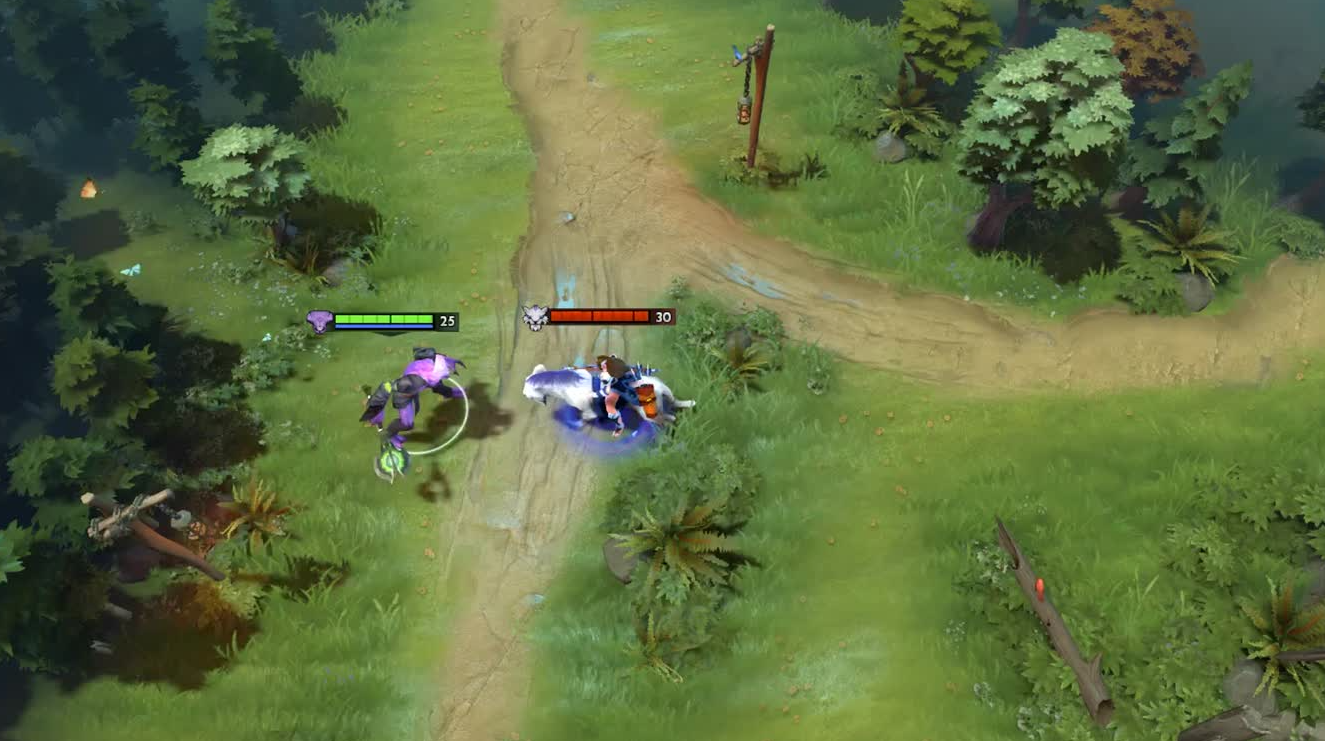
The new Time Walk ability, while different from its current iteration, shared similarities with Ember Spirit’s Sleight of Fist. Evasion was swapped for Backtrack, and Temporal Drag became Chronosphere.
Over the subsequent patches, Chronosphere, Time Walk, and Time Lock continued to evolve, with changes ranging from visual improvements to fundamental mechanics. Noteworthy updates include the addition of Aghanim’s Scepter upgrades, the visibility of invisible units within Chronosphere, and the introduction of Faceless Void-specific talents in 7.00. The most recent major change was the rework of Time Lock in 7.20, which now deals an additional instant attack when the stun is triggered. The 7.23 Aghanim’s Scepter upgrade further enhanced this ability, affecting all enemies in the Time Walk area of effect. Faceless Void’s transformation has been a testament to Dota’s ever-changing landscape, as the developers continuously strive to refine and balance this iconic hero.
Impact on the meta
Faceless Void is one of the most iconic and popular heroes in Dota’s history. His enduring appeal is not just because he’s been around since the very beginning, but also due to his sheer theoretical power. In discussions about which hero could theoretically take down everyone in a one-on-one scenario, the conversation always seemed to boil down to Chronosphere. Before Aeon Disk entered the game, there was no obvious counter to this ultimate crowd control ability, cementing Faceless Void’s reputation as a formidable threat.
The carry role has always been Faceless Void’s primary and natural domain, where he has spent the vast majority of his playtime in both public matches and the professional scene. However, certain changes have pushed players to experiment with him in different positions. During the time when Aghanim’s Scepter reduced Chronosphere’s cooldown and increased its duration, we saw Faceless Void emerge in the offlane role. Remember when players like ‘Universe’ Saahil Arora would build him up with Scepter, Blink Dagger, and Vladimir’s Offering?
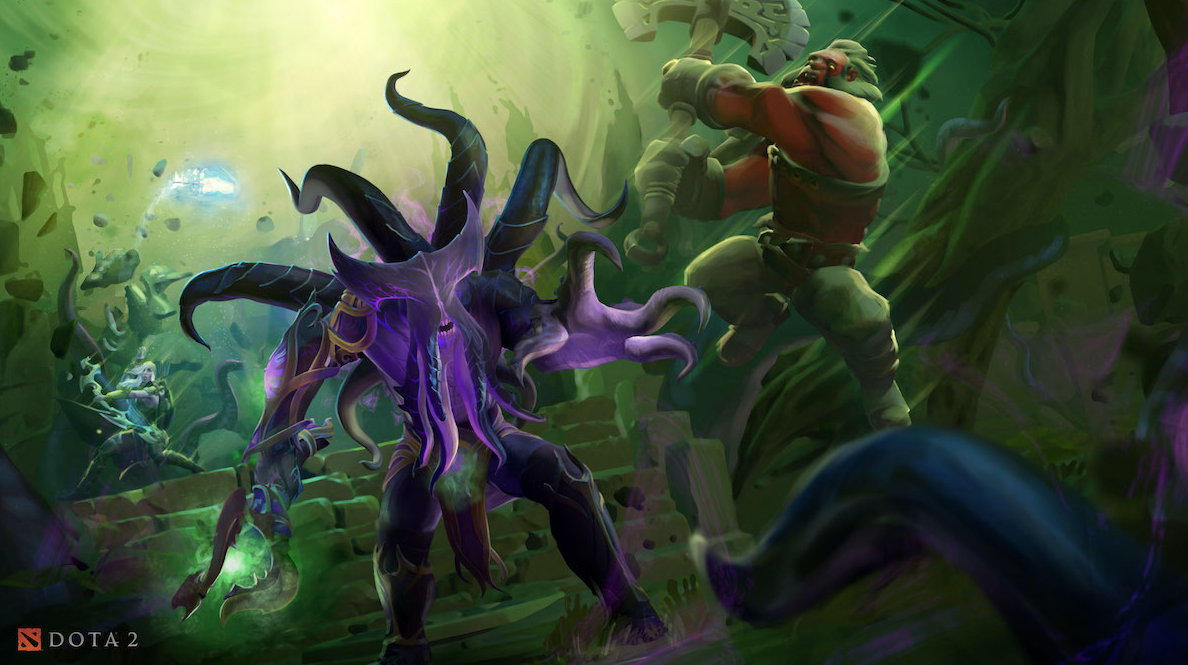
Even more recently, professional players from China have introduced Faceless Void as a position 5 support hero. As it turns out, a maxed-out Time Dilation can provide a lot of value in the laning stage if the opponents rely on frequent ability usage. And even without items, the support Faceless Void can still remain relevant, as Chronosphere allows him to initiate fights or disrupt enemy retreats.
Faceless Void’s versatility and theoretical power have solidified his status as one of Dota’s most iconic and enduring heroes. His journey through different roles and the meta-game changes is a testament to the depth and evolution of the game itself.


